


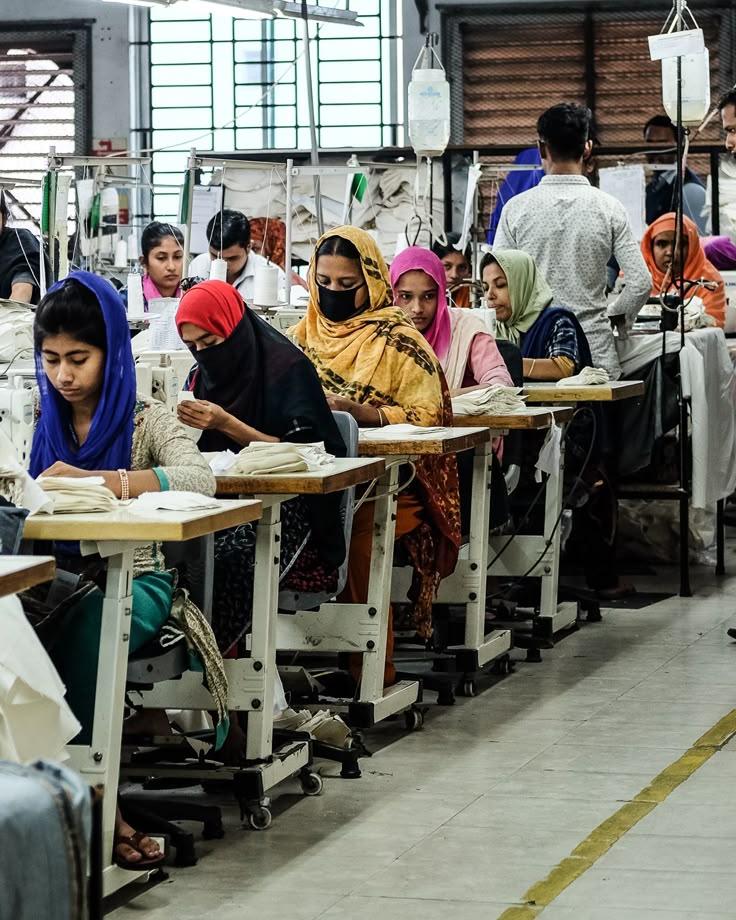
Islamabad — Textile Exports Decline as Industry Nears Breaking Point
Pakistan’s textile industry, long regarded as the backbone of the national economy, is now teetering on the edge of collapse. Years of mismanagement, policy inconsistency, and energy crises have pushed the sector — which contributes nearly 60% of the country’s total exports — toward severe decline.
According to a recent report by the Pakistan Textile Council (PTC), textile exports fell by 3.83% year-on-year in the first quarter of FY2026, dropping to $7.61 billion from $7.91 billion during the same period last year.
For more on Pakistan’s economy and industrial news, visit Pashto Times Business.
Exports Plummet as Costs Surge
In September 2025, Pakistan saw its fifth export contraction in six months, with outbound trade plunging 11.71% to $2.51 billion, while imports rose 13.49% to $16.97 billion.
Industry experts say decades of short-term relief measures — including rebates, bailouts, and subsidies — have inflated export figures temporarily but failed to make the sector globally competitive.
PTC Chairman Fawad Anwar warned that unless immediate structural reforms are implemented, Pakistan risks mass factory closures, job losses, and a sharp decline in foreign investment.
“If urgent corrective measures are not taken, Pakistan could lose thousands of export-oriented jobs, and our foreign exchange earnings will take a major hit,” Anwar cautioned.
Costly Logistics and Outdated Infrastructure
The Federation of Pakistan Chambers of Commerce and Industry (FPCCI) has also highlighted a broken logistics network, which costs the economy a staggering 15.6% of GDP — nearly double the logistics cost of developed countries.
“This means that before a single container of garments leaves the port, it is already burdened with high costs that make Pakistani exports uncompetitive,” the FPCCI said in its latest report.
Pakistan’s position on the World Bank Logistics Performance Index has also deteriorated, with the country completely dropping off the rankings, while regional competitors India, Bangladesh, and Vietnam continue to climb.
Read more about regional trade challenges at Pashto Times World.
Global Competitors Leave Pakistan Behind
Neighboring countries like India and Bangladesh have made massive investments in modern railways, port automation, and digital supply chains, giving their exporters a decisive edge.
In contrast, Pakistan’s outdated technology, frequent power outages, and unstable tax policies have hampered competitiveness. Frequent changes in export facilitation programs and import restrictions have further discouraged long-term investment.
Revival Plans Yet to Deliver Results
Although government officials continue to speak of “revival plans” and “energy relief packages”, the data tells another story — factory closures, reduced output, and rising unemployment.
Experts believe that sustainable solutions, such as technology upgrades, logistics reforms, and policy consistency, are crucial to saving the textile industry. Without these, Pakistan’s largest export sector could soon face irreversible damage.
For government policy updates, visit Pashto Times Politics.
Conclusion
Pakistan’s textile industry stands at a crossroads. Without decisive reforms, the country could lose its most critical export engine, further deepening the economic crisis. The time for policy clarity and industrial modernization is now — or Pakistan risks losing its global textile foothold to more efficient competitors.
As reported earlier by Pashto Times, experts continue to urge long-term strategies focused on efficiency, energy stability, and export competitiveness to prevent further collapse.
