


Doha — Pakistan Calls for Fair Global Financial Systems
President Asif Ali Zardari has urged world leaders to adopt comprehensive global financial reforms to create a fairer international economic system that supports social justice and inclusive growth.
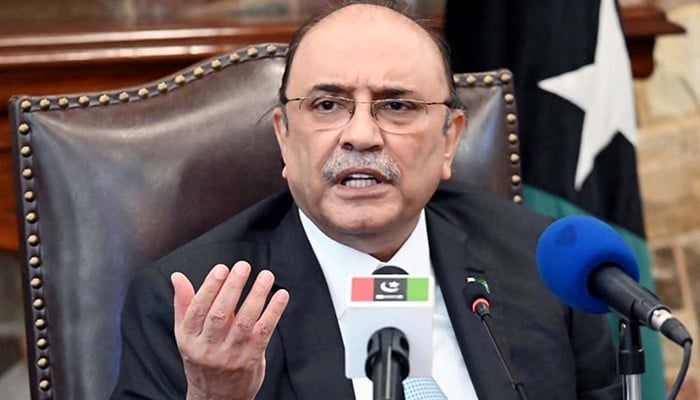
Speaking at the Second World Summit for Social Development in Doha, Qatar, on Tuesday, President Zardari called for debt relief, equitable taxation, and social protection mechanisms to empower developing nations. He warned that current financial structures unfairly burden poorer countries, limiting their ability to invest in poverty reduction and human development.
For more political coverage, visit Pashto Times Politics.
Championing Social Justice and Human Rights
President Zardari reaffirmed Pakistan’s commitment to social equality, decent work, and human rights for all. He emphasized that Pakistan supports global solidarity and believes “development must begin and end with the betterment of people.”
The president voiced his strong support for the Doha Political Declaration, noting that it aligns with Pakistan’s national vision of inclusive and sustainable development. “Pakistan remains steadfast in placing people at the centre of policy,” he said.
BISP: A Model for Social Protection
Showcasing Pakistan’s progress, President Zardari highlighted the Benazir Income Support Programme (BISP) as a globally recognized model for poverty alleviation and social protection.
He noted that BISP has empowered more than nine million families by providing direct income support, access to healthcare, and education opportunities. The initiative, he said, has become a “benchmark for people-centered governance and inclusive growth.”
For more stories on Pakistan’s development programs, read Pashto Times World.
Commitment to Sustainable Development Goals
Reaffirming Pakistan’s dedication to the UN Sustainable Development Goals (SDGs), President Zardari pledged to raise the national literacy rate to 90% and ensure universal school attendance within the next five years.
He also cited youth-focused and climate-resilient initiatives such as:
- National Youth Internship Programme for skill development and employment.
- Green and Resilient Housing Projects to promote sustainable living.
- Mangrove Restoration for strengthening Pakistan’s coastal climate defense.
“These efforts,” Zardari said, “reflect Pakistan’s belief in nature-based solutions and youth empowerment for a sustainable future.”
Raising Alarm Over Water Disputes
In a serious warning, President Zardari expressed concern over the “weaponisation of water” and repeated violations of the Indus Waters Treaty. He cautioned that these disputes threaten the livelihoods of more than 240 million Pakistanis, urging global leaders to address the growing water crisis through cooperation rather than confrontation.
Experts note that the president’s remarks highlight Pakistan’s push for water diplomacy and its appeal to international forums for fair resource distribution.
Solidarity with Palestine and Kashmir
Touching on global justice issues, President Zardari strongly condemned the genocide and humanitarian catastrophe in Palestine, calling for an immediate ceasefire and lasting peace. He also reaffirmed Pakistan’s unwavering support for Kashmir’s right to self-determination, describing both struggles as “two sides of the same coin” in the global pursuit of justice and freedom.
“Development without justice is meaningless,” he declared, urging the world to act with compassion and equality.
For related stories on regional diplomacy, see Pashto Times World.
Conclusion
President Asif Ali Zardari’s message from Doha resonated with a strong call for fairness, reform, and compassion in global governance. By linking financial justice with social progress, he positioned Pakistan as a proactive voice for equitable growth and peace.
As reported earlier by Pashto Times, Pakistan continues to advocate for policies that prioritize people, protect human rights, and promote a just global economic order.
